
What Safety Checks Are Required Before Renting Out a Property in Hackney?
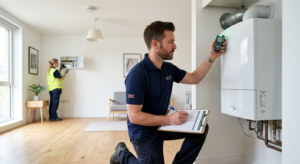
As a landlord, you have a legal duty to make sure your property is safe before a tenant moves in. That responsibility starts well before you hand over the keys. Gas appliances, electrical installations, smoke alarms, carbon monoxide alarms, fire precautions, and other safety requirements must be checked properly. Missing an important safety step can lead to legal problems, financial penalties, tenancy delays, and serious risks for the people living in the property. If you are planning to rent out a property in Hackney, understanding the required landlord safety checks should be one of your first priorities.
Safety Checks Landlords Should Carry Out Before Renting Out a Property
Landlords have a legal responsibility to keep rented homes safe and free from health hazards. They must also make sure gas and electrical equipment is safely installed and maintained. Hackney Council highlights these responsibilities alongside EPC, smoke and carbon monoxide alarms, deposit protection, and Right to Rent requirements.
The exact requirements depend on the property. However, the main rental property safety checks generally cover:
- Gas safety
- Electrical safety
- Smoke and carbon monoxide alarms
- Fire and furniture safety
- Energy performance
- General property condition and hazards
- Property licensing where required
Let’s look at what each one means in practice.
1. Arrange the Required Gas Safety Check
If the rental property contains relevant gas appliances, gas safety should be one of the first checks on the list.
Landlords must make sure gas equipment they provide is safely installed and maintained. A Gas Safe registered engineer must carry out the required gas safety check every year. A new tenant must receive the latest gas safety record before moving in. Existing tenants should receive the record within 28 days of the check.
The engineer checks relevant gas appliances and flues to identify safety problems.
Do not treat this certificate as paperwork that simply needs renewing. A faulty boiler or unsafe gas appliance can expose occupants to serious risks, including carbon monoxide. If a problem is identified, arrange the necessary work rather than assuming the certificate makes the property safe.
2. Check the Electrical Installation
A socket may work perfectly well when you plug something into it, but that does not tell you what is happening elsewhere in the electrical installation.
This is why electrical safety requires a professional inspection.
Landlords in England must have the electrical installations in their rental properties inspected and tested by a qualified person at least every five years. The resulting report is commonly known as an Electrical Installation Condition Report or EICR.
The report can identify potentially dangerous problems and work that needs attention. If the inspection identifies issues that legally require remedial or investigative work, the landlord must arrange the appropriate action.
Electrical safety also extends to equipment supplied by the landlord. GOV.UK states that landlords must ensure the electrical system and any appliances they supply are safe.
3. Test Smoke and Carbon Monoxide Alarms
Alarms are small pieces of equipment, but they perform an essential safety role.
Landlords must provide the smoke and carbon monoxide alarms required for their property and ensure the required alarms work when a new tenancy begins. Current government guidance requires at least one smoke alarm on each storey used as living accommodation. Carbon monoxide alarm requirements apply in rooms containing certain fixed combustion appliances.
The exact requirements can depend on the appliances and property type, so check the latest rules rather than relying on what was required during an older tenancy. Testing the alarms before handing over the keys is a simple step you should never skip.
4. Review Fire Safety Across the Property
Fire safety involves more than installing a smoke alarm.
Look at the property as a tenant would need to use it during an emergency. Are escape routes accessible? Is landlord-supplied furniture compliant with applicable fire-safety requirements? Are there additional fire precautions required because the property is an HMO?
Government guidance states that landlords must follow applicable fire-safety regulations, maintain access to escape routes and ensure supplied furniture and furnishings meet relevant fire-safety standards. HMOs can have additional requirements.
This is particularly important when several unrelated tenants will share the property.
5. Make Sure the Property Has a Valid EPC
An EPC shows how energy efficient the property is and rates it from A to G. It also highlights areas where energy performance could be improved. Landlords usually need a valid EPC before marketing a rental property, and the property must meet the minimum energy efficiency rules that apply. Checking the EPC early also gives landlords time to plan improvements before advertising the property.
6. Look for Hazards and Essential Repairs
A collection of valid certificates does not automatically mean the entire property is safe.
Take a proper look around.
Does the heating work? Is there serious damp or mould? Are stairs secure? Are windows safe? Is there exposed wiring? Does the hot water work properly? Are there leaks or structural problems?
Landlords are responsible for important repairs, including the property’s structure and exterior, heating and hot water systems, electrical wiring, and certain sanitary installations.
A tenant should not have to move in before obvious safety problems are addressed. A useful approach is to complete a room-by-room inspection before marketing. Write down anything that needs repair and deal with safety issues first.
7. Check Whether the Property Needs a Hackney Licence
This is one area where location matters.
Hackney Council states that landlords will usually need a licence to rent out a property. The type of licence depends on the property and occupancy arrangement. Hackney currently has selective, additional HMO and mandatory HMO licensing categories.
For example, a shared home occupied by five or more people from two or more households who share facilities can require a mandatory HMO licence. Other properties may fall under selective or additional licensing requirements.
Licence conditions can include requirements relating to gas, electrical, fire and carbon monoxide safety as well as property facilities and room sizes.
Do not assume that a previous licence or another landlord’s experience applies to your property. Check the current Hackney Council requirements for the exact address and proposed tenancy arrangement. Check which Hackney property licence is required
8. Legionella Risk Assessment
Landlords also need to consider the risk of Legionella bacteria developing in the property’s water system. The assessment looks at areas where water could become stagnant or where temperatures may allow bacteria to grow. In many standard rental properties, the risk is low, but it should still be reviewed and managed. Regular use of water outlets, proper water temperatures, and good maintenance can help reduce the risk.
Should Landlords Complete the Checks Themselves or Use a Letting Agent?
This question comes up often, and the honest answer depends on your experience and how much time you can commit. If you own one property and have the time to research current regulations, you can manage these checks yourself. You will need to book qualified professionals for the gas and electrical checks since these legally cannot be done by an unqualified person. You handle the scheduling, paperwork, and reminders for renewal dates.
However, many landlords choose to work with letting agents because managing multiple compliance deadlines becomes difficult over time. A good letting agent already has relationships with certified engineers and electricians. They track renewal dates for you, so you never miss a gas safety check or an EICR deadline. They also understand local Hackney regulations in detail, including HMO licensing rules, which change over time and are easy to miss if you are not paying close attention.
If you own several properties, or you do not live near Hackney, using a letting agent removes a significant amount of stress and reduces your risk of accidental non-compliance. The fees you pay for their service often cost less than the fines you would face for missing a legal requirement. On the other hand, if you enjoy being hands-on and want full control over every decision, doing it yourself is completely possible as long as you stay organized and set calendar reminders for every renewal date.
Who You Can Trust in Hackney for Renting Out Your Property
Finding the right letting agent in Hackney comes down to one question, can they actually keep you compliant without you having to chase them for updates. This is where Knight Bishop stands out. They work with landlords across Hackney every day, and they understand the local licensing rules that change from one street to the next, especially in areas with selective licensing or HMO restrictions.
Knight Bishop supports landlords across Hackney with property preparation, rental valuations, tenant finding, referencing, tenancy setup, and ongoing property management. Their local knowledge can also help landlords understand where licensing requirements or additional checks may apply before letting a property.
They walk you through every check before it happens, explain what each certificate means, and keep you updated at every stage. So, you always know where your property stands, and you never have to guess whether you are meeting your legal obligations.
Ready to Rent Out a Property in Hackney?
Preparing a rental property properly can feel like a long list when you are doing it for the first time. Gas safety, electrical checks, alarms, energy efficiency, repairs and Hackney’s property licensing requirements all need to be considered before a tenant settles into the property.
Completing these steps early can help you avoid last-minute delays and, most importantly, provide tenants with a safe place to live.
If you are looking for guidance on how to rent out a property in Hackney, Knight Bishop can support you through the letting process. Our team can help you understand the local rental market, prepare your property for letting, market it to prospective tenants, and provide ongoing property management support.
Speak to Knight Bishop to discuss your property and the letting service that best suits your needs.
A void period longer than four to six weeks is generally considered long and worth investigating, since it usually points to a pricing, presentation, or marketing issue.