
Get an Accurate Rental Valuation in Waltham Forest Before Letting Your Property
Many landlords rent out their property without first understanding what it could realistically achieve in the current market. As a result, some properties are priced too high and struggle to attract enquiries, while others are let below their true rental value. An accurate rental valuation helps you understand local demand, tenant expectations, and the right pricing strategy before your property goes on the market.
If you are wondering how to rent out your property in Waltham Forest, a professional valuation is one of the most important first steps. At Knight Bishop, our letting agents combine local market knowledge with practical property advice to help landlords make informed decisions from the outset. We assess your property’s location, condition, size, features, and current rental demand to provide a realistic valuation. This helps you attract suitable tenants, reduce potential void periods, and maximize the return on your investment.
Waltham Forest
Markets and culture
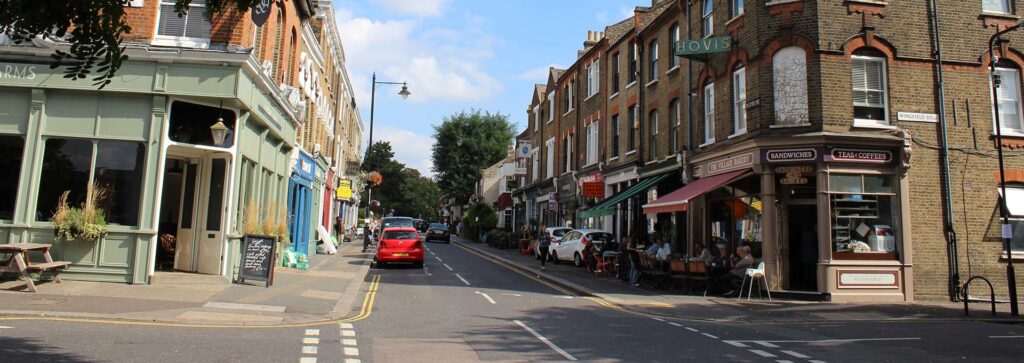
Walthamstow Market is the longest street market in Europe, open since 1885, with a colourful mix of multicultural food, fabrics, and everyday goods.
Arts and heritage
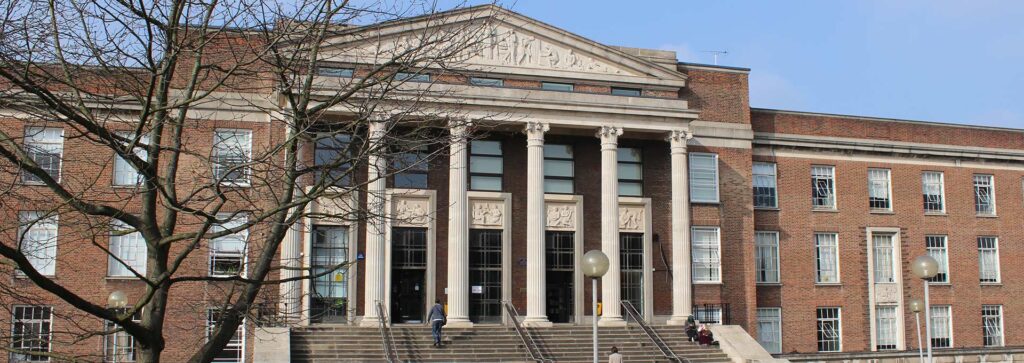
The William Morris Gallery, housed in a Georgian villa dating to around 1750, celebrates the life and designs of one of the founders of the Arts and Crafts movement.
Green space and nature
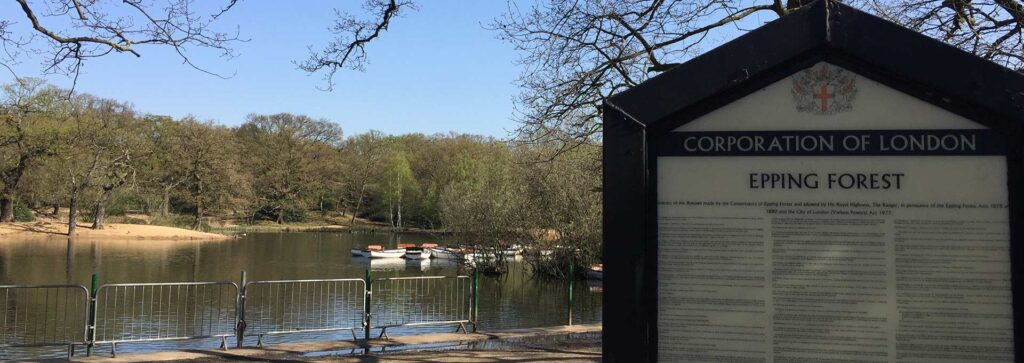
Epping Forest borders the borough to the north, and Walthamstow Wetlands offers a large urban nature reserve right in the heart of the area.
Local highlights
A few of the places that make Waltham Forest such a distinctive part of London.
Walthamstow Market
Europe’s longest street market has been running since 1885, with stalls offering everything from exotic fruit and spices to fabrics and electronics, open every day except Monday.
William Morris Gallery
Set in a Georgian villa that was William Morris’s childhood home, the gallery showcases tapestries, wallpaper, furniture, and tiles from the Arts and Crafts movement.
Hitchcock mosaics, Leytonstone
Leytonstone tube station houses 17 glass mosaics celebrating the films of Alfred Hitchcock, who was born in the borough, making it a must-see for film fans.
Walthamstow Wetlands
A major urban nature reserve with reservoirs, walking paths, and birdwatching hides, offering a peaceful green escape just minutes from Walthamstow town centre.
Epping Forest, Chingford
Ancient woodland stretching to the north of the borough, ideal for walking, cycling, and horse riding, with easy access from Chingford station.

Property in Waltham Forest
Waltham Forest has a distinctive property landscape shaped by several clear periods of growth, from its origins as dispersed villages to the dense residential development that followed the railway. You will find everything from Victorian and Edwardian terraces to Warner-style housing and more recent builds, giving the borough a wide range of options for buyers, renters, and investors.
A defining characteristic of Waltham Forest’s housing is the strength of its period stock. Victorian expansion followed the railway linking Chingford to the City, while Edwardian housing brought bolder, more ornate frontages with external porches and red brick detailing. The borough is also known for its Warner housing, developed by the Warner family with a focus on design quality, particularly the distinctive Warner Half House — two flats within a terraced house, each with its own front door and rear garden.
Victorian and Edwardian stock: The southern half of the borough is dominated by well-planned Victorian streets, while Edwardian housing at the further extents features more heavily modelled frontages with porches, gables, and a wider palette of materials.
Warner housing, a distinctive Waltham Forest typology, reflects thoughtful design where the layout of the streets achieves more than the simple sum of its parts. Combined with good transport links and proximity to Epping Forest, these qualities give the borough a strong identity and consistent appeal across the market.
Overground
- Blackhorse Road
- Leyton Midland Road
- Leytonstone High Road
- Walthamstow Queens Road
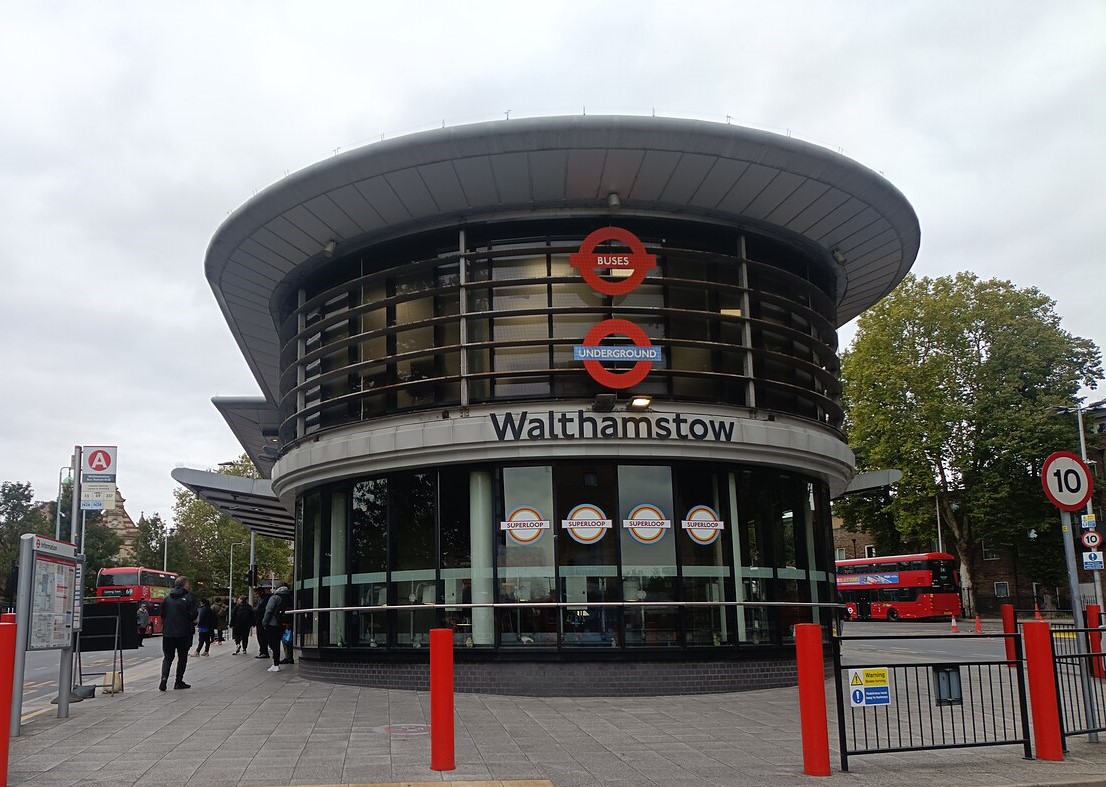
Underground
- Leyton – Central Line
- Leytonstone – Central Line
- Walthamstow Central – Victoria Line
National Rail
- Walthamstow Central
- Chingford
- Highams Park
- Wood Street
- St James Street
Buses
Waltham Forest is well served by bus routes connecting across the borough and into central London. Some key routes include:
- 48 – London Bridge to Walthamstow Central
- 55 – Oxford Circus to Leyton
- 56 – Smithfield to Whipps Cross
- 97 – Chingford to Stratford
- 158 – Chingford Mount to Stratford
- 212 – Chingford to Walthamstow Central
- 275 – Walthamstow to Barkingside
- W12 – Wanstead to Coppermill Lane
FAQS
How do I get an accurate rental valuation in Waltham Forest?
The most accurate rental valuation in Waltham Forest comes from a free in-person assessment by a local letting agent who understands demand across specific postcodes, from Walthamstow and Leyton to Leytonstone and Chingford. Knight Bishop provides free rental valuations in Waltham Forest, giving landlords a market-led figure based on live comparable lets, current tenant demand, and the borough’s average monthly rent of £1,758 (ONS, April 2026).
How much rent can I charge for my property in Waltham Forest?
Average monthly private rents in Waltham Forest are currently £1,758 — up 1.5% year-on-year — with one-bedroom properties typically letting from around £1,300 and four-bedroom-plus houses reaching over £2,200, depending on location and condition. Knight Bishop offers free rental valuations in Waltham Forest so landlords can set the right asking rent from day one, maximizing income while minimizing void periods.
How do I rent out my property in Waltham Forest?
To rent out your property in Waltham Forest, you need a free rental valuation; valid safety certificates, which include a gas safety record, an electrical installation condition report (EICR), and a minimum E-rated EPC and compliance with any applicable selective licensing schemes in the borough before marketing begins. Knight Bishop’s letting agents in Waltham Forest manage the entire process for landlords, from tenant finding and referencing through to legally compliant tenancy agreements and full property management.
Do I need a letting agent to rent out my property in Waltham Forest?
You are not legally required to use a letting agent to rent out your property in Waltham Forest, but a local agent significantly reduces the risk of costly mistakes, from non-compliant tenancy agreements and missed licensing obligations to poor tenant selection and unprotected deposits. Knight Bishop’s Waltham Forest letting agents provide the expertise, legal knowledge, and local market insight to make renting out your property straightforward, compliant, and profitable from the outset.